
Jack Leroy "Jackie" Wilson Jr. (June 9, 1934 –
January 21, 1984) was an American soul singer and performer. A tenor with a
four-octave vocal range, he was nicknamed "Mr. Excitement", and was
important in the transition of rhythm and blues into soul. He was  considered a
master showman, and one of the most dynamic and influential singers and
performers in R&B and rock 'n' roll history
considered a
master showman, and one of the most dynamic and influential singers and
performers in R&B and rock 'n' roll history
 considered a
master showman, and one of the most dynamic and influential singers and
performers in R&B and rock 'n' roll history
considered a
master showman, and one of the most dynamic and influential singers and
performers in R&B and rock 'n' roll history
Jackie Wilson was born Jack Leroy Wilson in Detroit,
Michigan, the only child of Jack and Eliza Wilson from Columbus, Mississippi.
He grew up in Highland Park, Michigan. He started singing at the age of 6. At
12 he joined the "Ever Ready Gospel Singers". They became very
popular in Detroit's black  churches. Truancy during high school landed him in
the Lansing Correctional Institute.
churches. Truancy during high school landed him in
the Lansing Correctional Institute.
 churches. Truancy during high school landed him in
the Lansing Correctional Institute.
churches. Truancy during high school landed him in
the Lansing Correctional Institute.
While at Lansing he took up boxing. His Mother Eliza, not
a boxing fan, made him pursue a much more promising career, Singing! In 1953,
Wilson made music his career, joining Billy Ward and his Dominoes as the
group's lead singer; he was brought in to replace Clyde McPhatter and sang with
them for three years. The biggest hit Jackie had with the Dominos was "St
Therese of the Roses", reaching number 13 on the charts in 1956.

Wilson launched his solo career in 1958 with Brunswick Records and soon had a minor hit with "Reet Petite," co-written with Berry Gordy, Jr and Roquel "Billy" Davis. Gordy/Davis also co-wrote Wilson's major pop and R&B smash hits "To Be Loved," "That's
 Why," and "I'll Be Satisfied," and his top R&B and pop hit
classic "Lonely Teardrops." Wilson appeared in the film Go, Johnny,
Go singing "You Better Know It." Deciding that Wilson should not
limit himself to singing rock and roll, Nate Tarnopol (Jackie's manager) had
veteran band leader and Decca arranger Dick Jacobs produce most of Jackie's recordings
from 1957 through 1966. Jacobs knew Jackie could sing and revelled in all
styles, so he combined him with huge orchestral accompaniments.
Why," and "I'll Be Satisfied," and his top R&B and pop hit
classic "Lonely Teardrops." Wilson appeared in the film Go, Johnny,
Go singing "You Better Know It." Deciding that Wilson should not
limit himself to singing rock and roll, Nate Tarnopol (Jackie's manager) had
veteran band leader and Decca arranger Dick Jacobs produce most of Jackie's recordings
from 1957 through 1966. Jacobs knew Jackie could sing and revelled in all
styles, so he combined him with huge orchestral accompaniments. 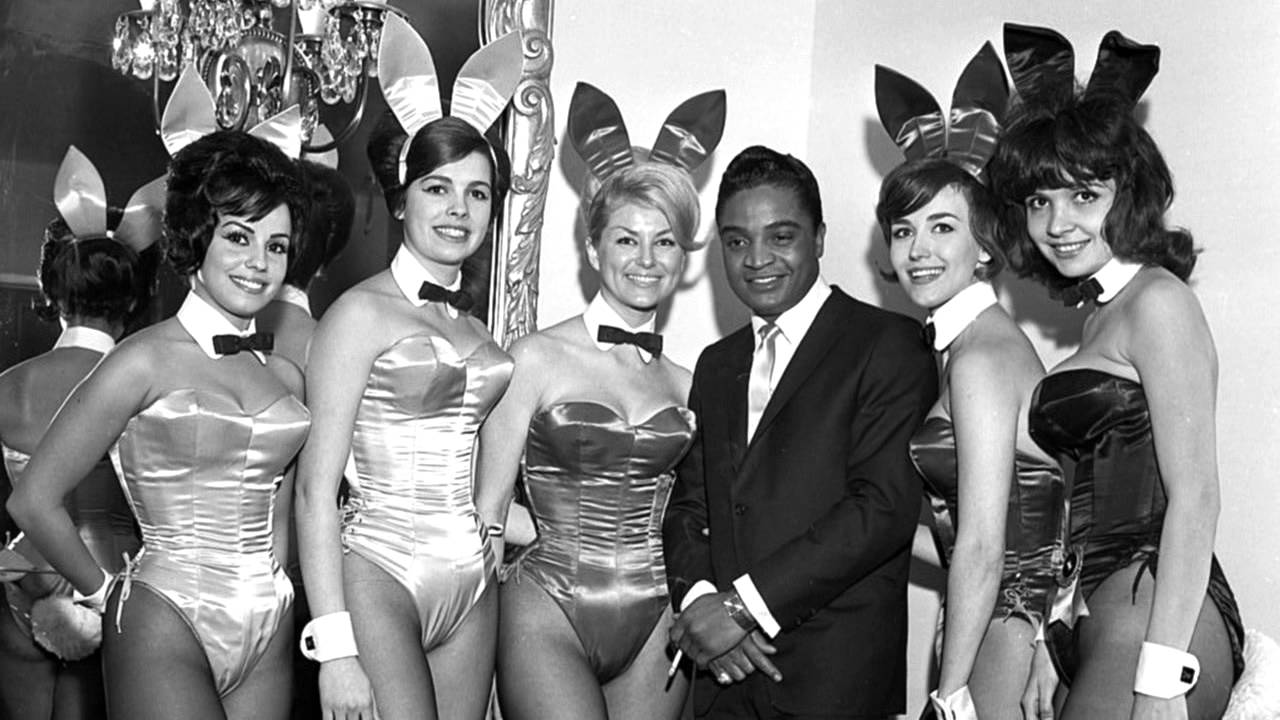
Performing engagements at major Los Angeles, Las Vegas, and New York nightclubs and recording a variety of material, including bland pop material and classical adaptations such as "Night," "Alone at Last," and "My Empty Arms," Wilson suffered through intrusive arrangements and critical neglect in the early '60s. Nonetheless, he scored four two sided crossover hits in 1960-1961 with "Night"/"Doggin' Around," "All My Love"/"A Woman, a
 Lover, a Friend,"
"Alone at Last"/ "Am I the Man," and "My Empty
Arms"/"The Tear of the Year." "Night" was a pop smash,
while "Alone at Last" and "My Empty Arms," were near pop
smashes. "Doggin' Around" and "A Woman, a Lover, a Friend"
were top R&B hits.
Lover, a Friend,"
"Alone at Last"/ "Am I the Man," and "My Empty
Arms"/"The Tear of the Year." "Night" was a pop smash,
while "Alone at Last" and "My Empty Arms," were near pop
smashes. "Doggin' Around" and "A Woman, a Lover, a Friend"
were top R&B hits.By 1961 Jackie was involved with Harlean Harris, a former girlfriend of Sam Cooke and an Ebony magazine fashion model while at the same time having a relationship with a Juanita Jones. February 15, 1961, Jones shot Wilson twice as he returned with Harris to his
 Manhattan apartment. Despite his wounds, Wilson made it
downstairs where he was taken to the Roosevelt Hospital. Life saving surgery
was performed followed by weeks of medical care. Wilson lost a kidney and would
carry the bullet that was too close to his spine to be removed, around for the
rest of his life.
Manhattan apartment. Despite his wounds, Wilson made it
downstairs where he was taken to the Roosevelt Hospital. Life saving surgery
was performed followed by weeks of medical care. Wilson lost a kidney and would
carry the bullet that was too close to his spine to be removed, around for the
rest of his life.
A month and a half later Jackie was discharged and, apart
from a limp and discomfort for a while, he was quickly on the mend. He
discovered that despite being at the peak of success, he was broke. Around this
time the Internal Revenue Service (IRS) seized Jackie's Detroit family home.
Tarnopol and his accountant were supposed to take care of such matters. At the
time Jackie had  declared annual earnings of $263,000, while the average salary
a man earned then was just $5,000 a year. Yet the fact was he was nearly broke.
Fortunately Jackie made arrangements with the IRS to make restitution on the
unpaid taxes and to re-purchase the family home at auction.
declared annual earnings of $263,000, while the average salary
a man earned then was just $5,000 a year. Yet the fact was he was nearly broke.
Fortunately Jackie made arrangements with the IRS to make restitution on the
unpaid taxes and to re-purchase the family home at auction.
 declared annual earnings of $263,000, while the average salary
a man earned then was just $5,000 a year. Yet the fact was he was nearly broke.
Fortunately Jackie made arrangements with the IRS to make restitution on the
unpaid taxes and to re-purchase the family home at auction.
declared annual earnings of $263,000, while the average salary
a man earned then was just $5,000 a year. Yet the fact was he was nearly broke.
Fortunately Jackie made arrangements with the IRS to make restitution on the
unpaid taxes and to re-purchase the family home at auction.
However, his wife's patience had finally run out due to
Jackie's notorious philandering and she filed for divorce. Jackie didn't
contest it and so their thirteen year marriage was annulled in 1965. Freda was
granted the house, $10,000 and a modest $50-per-week for each of their four
children. For the rest of her life Freda regretted seeking the divorce and,
moreover, Jackie still treated her as though she was still his wife.

 On the night of September 29, 1975 While playing Dick
Clark's oldies show at the Latin Casino in Cherry Hill, New Jersey, Wilson was
stricken with a massive heart attack. One of the first to reach Jackie was
Cornell Gunter of the Coasters group who immediately noticed he wasn't
breathing. Gunter applied resuscitation and got him breathing again. An
ambulance quickly got him to the nearby hospital where he remained in a coma
for over three months.
On the night of September 29, 1975 While playing Dick
Clark's oldies show at the Latin Casino in Cherry Hill, New Jersey, Wilson was
stricken with a massive heart attack. One of the first to reach Jackie was
Cornell Gunter of the Coasters group who immediately noticed he wasn't
breathing. Gunter applied resuscitation and got him breathing again. An
ambulance quickly got him to the nearby hospital where he remained in a coma
for over three months.
Jackie gradually improved to the stage of semi-coma
state, but  obviously he had suffered severe brain damage and, at 41, a
tremendous career was ended. Although he never uttered another word, he
remained clinging to life for a further eight and a quarter years. He remained
hospitalized until his death on January 21, 1984, at the age of forty-nine.
obviously he had suffered severe brain damage and, at 41, a
tremendous career was ended. Although he never uttered another word, he
remained clinging to life for a further eight and a quarter years. He remained
hospitalized until his death on January 21, 1984, at the age of forty-nine.
 obviously he had suffered severe brain damage and, at 41, a
tremendous career was ended. Although he never uttered another word, he
remained clinging to life for a further eight and a quarter years. He remained
hospitalized until his death on January 21, 1984, at the age of forty-nine.
obviously he had suffered severe brain damage and, at 41, a
tremendous career was ended. Although he never uttered another word, he
remained clinging to life for a further eight and a quarter years. He remained
hospitalized until his death on January 21, 1984, at the age of forty-nine.
Jackie Wilson was inducted into the Rock and Roll Hall of
Fame in 1987.
(Info edited from various sources, mainly
history-of-rock.com)

